
These are the nights with room to be strange
The nikkah or the ceremony has a shape it has to keep. The mehndi and the sangeet do not. They are the 2 events in a South Asian wedding week where families genuinely get to invent something, which is why they are also the 2 that guests remember most clearly and film the most.
That freedom is also why planning them is harder. There is no fixed run of show to copy, budgets are usually smaller than the reception, and they are often held at a house, a backyard, a hall or a hotel ballroom rather than at a purpose-built venue. The ideas below are sorted by what they actually need: some cost nothing and need rehearsal, some need a vendor, and a few need permission from whoever owns the space.
One practical note that applies to all of them. Mehndi is a daytime event more often than not, and henna needs 2 to 4 hours to set, so anything you plan has to work around guests who cannot use their hands. Sangeet is an evening event with a stage and a sound system. Do not copy an idea from one into the other without checking it still makes sense.
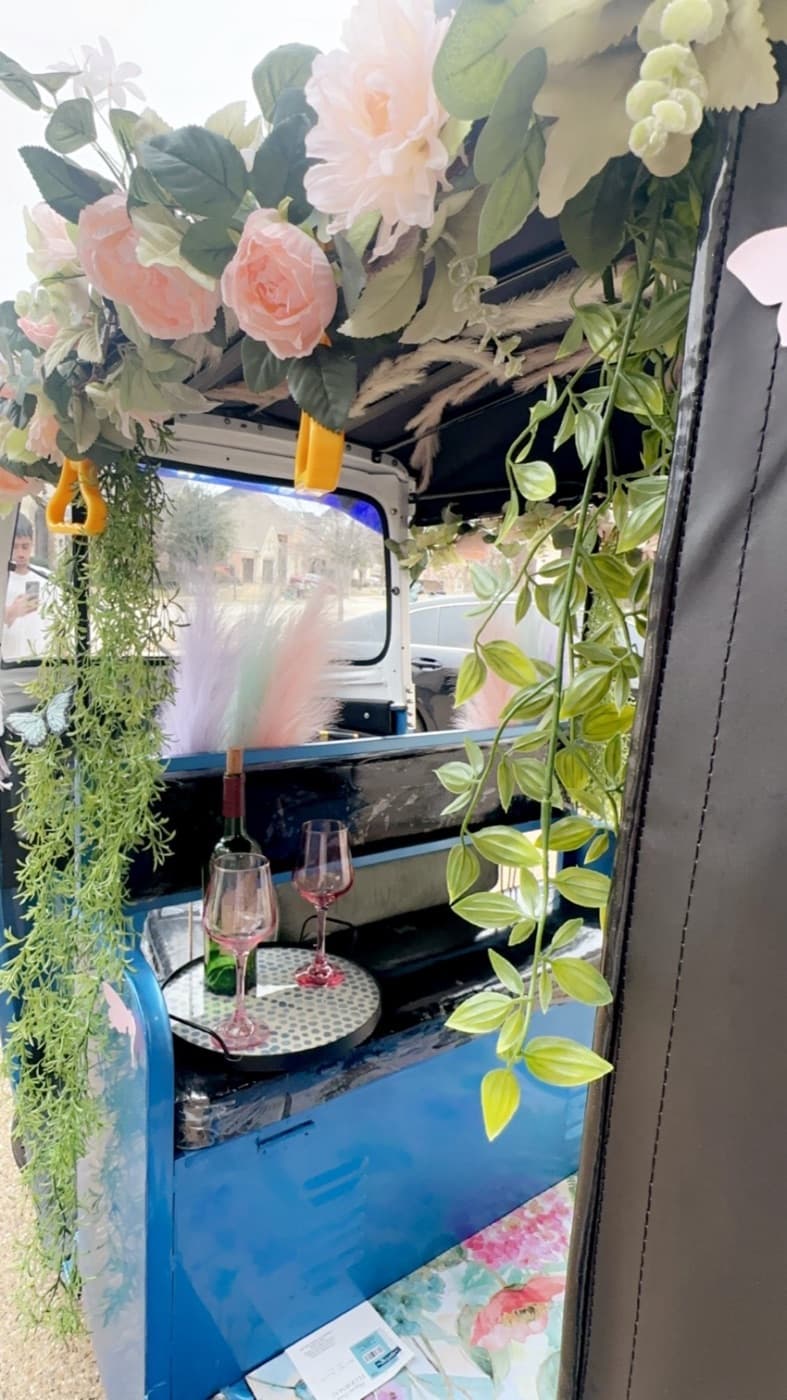
14 sangeet and mehndi ideas
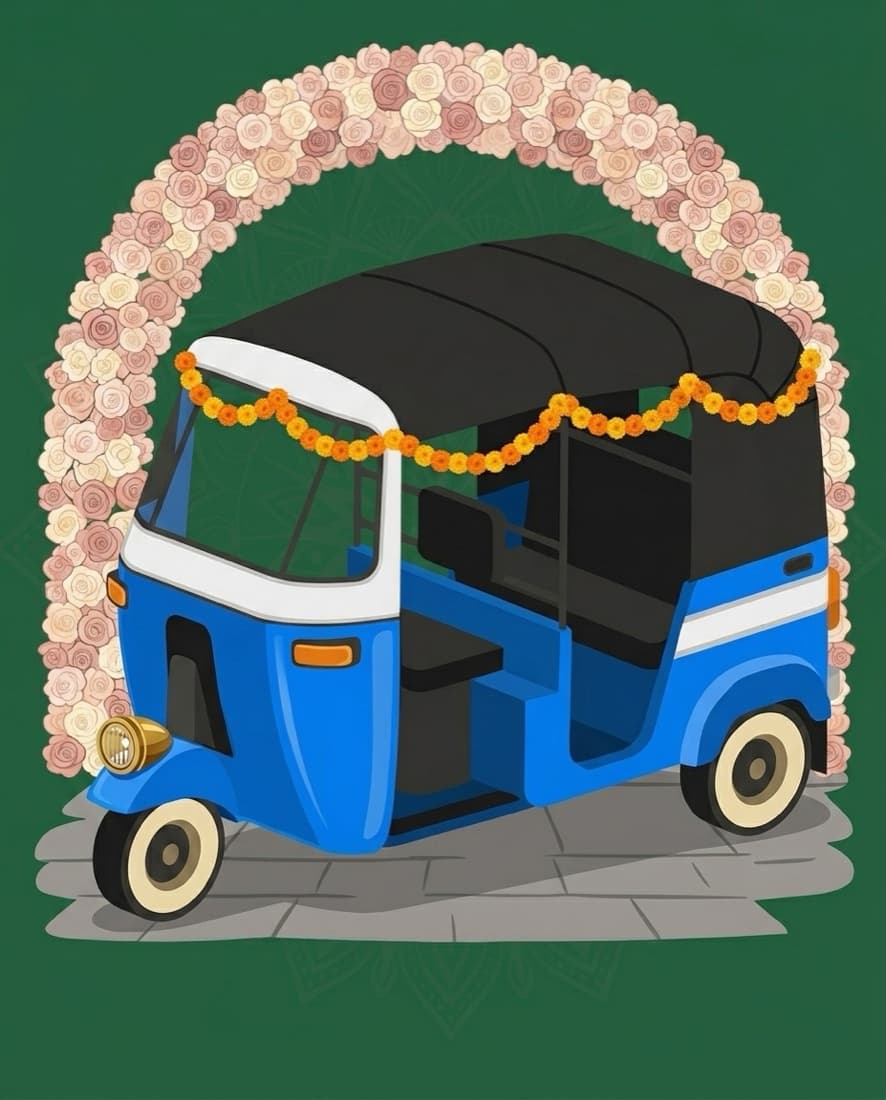

A real color code, printed on the invite
Yellow and green for the mehndi, one strong color for the sangeet. It costs nothing and it is the single biggest change to how the photos look, because a room where everyone matches reads as designed rather than as a party in a hall.
Free. Put it on the invitation and repeat it in the group chat a week out, or half the guests will forget.
Dhol at the door, not on the stage
Live percussion greeting guests as they walk in sets the tone before anyone has done anything. It is a better use of a dhol player than putting them on stage during the performances, where the sound system fights them.
Prices vary by player and set length, so get 2 or 3 quotes. Ask the venue how long acoustic percussion is allowed and whether there are guest rooms above.
The phoolon ki chaadar entrance
The bride walks in under a canopy of flowers carried by her brothers and cousins. It is the most photographed bride entrance in the whole wedding week and it needs no vendor beyond the florist you already have.
Ask the florist for the weight before the day. A full flower canopy is heavier than it looks and the cousins carrying it need to rehearse the pace once.
A decorated jhula as her seat
A swing instead of a chair for the mehndi. Guests come to her, the photographer gets a clean frame all afternoon, and it solves the problem of a bride sitting for 3 hours with wet henna.
Rented from most South Asian decor vendors in DFW. Confirm whether the venue allows anything hung from a ceiling, because most will not, and a free-standing frame is the answer.
An electric rickshaw entrance for the bride or the couple
A 2024 electric rickshaw brings the bride, or the couple with 2 or 3 family members, in at walking pace with the playlist running from built-in speakers. It is silent and produces no exhaust, so it can often come into a tented area or indoors where a gas vehicle would be refused. Some families ask for it by the name tuk tuk and some by rickshaw, and both are this vehicle.
This is what we rent. Seats up to 5, delivered by trailer, and used on private property only because it is not street legal in Texas. Entrance packages start at $750, and it stays parked and dressed as a photo seat for the rest of the booked window.
Choreographed performances, capped at 6
The heart of a sangeet, and the thing that most often ruins one. Six performances of 3 minutes each is 20 minutes and it flies. Twelve performances is 50 minutes and the room leaves to find food.
Free, and the discipline is the whole trick. Give 1 person the running order, tell every group the hard length limit, and do 1 combined rehearsal even if it is over video.
Guest henna artists as the entertainment
Booking 2 or 3 extra artists so guests can get henna, not just the bride, turns a mehndi from a ceremony people watch into something they take part in. It is the most reliable way to keep an afternoon crowd in the room.
Ask artists how many guests per hour they can realistically do, then work backwards from your guest count. Set up somewhere with good light, and remember guests with wet henna cannot hold a plate.
A live singer or a qawwali set
Thirty minutes of live music between the performances and the dancing changes the pace of a sangeet completely. Qawwali in particular does something a playlist cannot, because the audience is part of it.
Get quotes for the set length rather than the hour, and ask what they need from the sound system. Confirm the venue noise cutoff time in writing.
A chaat, paan or chai cart
A staffed cart serving something small and specific, late in the evening, when the catered food is finished and the dancing has started. Guests remember the chai at midnight more than the buffet at 8.
Check whether the venue allows outside food vendors at all, and whether a catering exclusivity clause applies. This is the idea most often killed by a contract nobody re-read.
A dholki circle instead of a DJ, for the first hour
Older relatives sitting with a dholak singing the traditional songs, before the DJ takes over. It costs nothing, it gives the aunties the part of the night that is genuinely theirs, and it is the footage families keep.
Free. Ask 2 or 3 people in advance rather than hoping it happens, and tell the videographer it is coming so they are not still setting up.
Games that are actually short
Joota chupai, a how-well-do-you-know-each-other round, or a rapid-fire quiz between the 2 families. Keep any single game under 8 minutes and the room stays with it.
Free. Write the questions in advance and hand the microphone to somebody funny who is not in the wedding party.
A generations wall of family wedding photos
Print the parents, the grandparents and the aunts and uncles on their own wedding days and hang them at the entrance. It costs the price of printing and it is the thing guests stand in front of for 10 minutes.
Cheap and reliable. Collect the photos 3 weeks out, because somebody always has to go and look in a box at their mother house.
Move it outdoors and light it properly
A backyard, a terrace or a courtyard with string lights, low seating and rugs beats a hotel ballroom for a mehndi almost every time. The daytime light is better and the setting looks like the event rather than like a room that was rented.
Have a rain plan and a heat plan, both. DFW in May is unpredictable in one direction and completely predictable in the other. Check what time amplified music must stop in a residential area.
Something parked and dressed for the photos all night
A seat, a swing, a cart or a vehicle that stays dressed in one spot gives every guest a place to take a picture without a photographer being involved. On a night with 200 people and 200 phones, that is where most of the content comes from.
Our photo booth package is $1,100 for a 4-hour window with the rickshaw parked and dressed, and $3,000 covers a full 8-hour night. Decoration is $150 for classic garlands or $300 for premium florals, or nothing if your decorator dresses it.
Mehndi and sangeet are not interchangeable
A mehndi is usually daytime, usually smaller, and built around the bride sitting still while henna sets. The ideas that work there are the ones guests can join without standing up: extra henna artists, a chai or chaat cart, a jhula, good light, and a photo spot people can reach in 20 steps. Loud staging works against it.
A sangeet is an evening show. It has a stage, a sound system, an audience seated in rows or at tables, and performances that need a running order. The ideas that work there are about pacing: cap the performances, break them with live music, and get the room dancing before people start checking their phones. A vehicle entrance suits a sangeet better than a mehndi for the same reason a stage does.
The prices we can state, and the ones we cannot
Most of the vendors on this page quote by inquiry in Dallas-Fort Worth, so any page giving you confident numbers for dhol players, henna artists or chaat carts is guessing. Get 2 quotes for each and compare what setup and travel include. What we can state is our own: Entrance $750 for a 2-hour venue window; Entry & Exit $950 for 4 hours; Photo Booth $1,100 for 4 hours; Full Event $3,000 for 8 hours; Corporate/Custom from $5,000, custom quoted. Delivery is calculated from the distance to your venue and shown as its own line in your quote, starting at $125.
The honest note
Questions to ask the venue before you plan any of this
- Can a vehicle come onto the property, and can it come inside or into a tent?
- Is there a catering exclusivity clause that blocks an outside chaat, paan or chai cart?
- What time does amplified music have to stop, and is that different indoors and outdoors?
- Can anything be hung from the ceiling, or does a jhula or canopy need a free-standing frame?
- What is the load-in window, and is there a service entrance a vendor can use during the event?
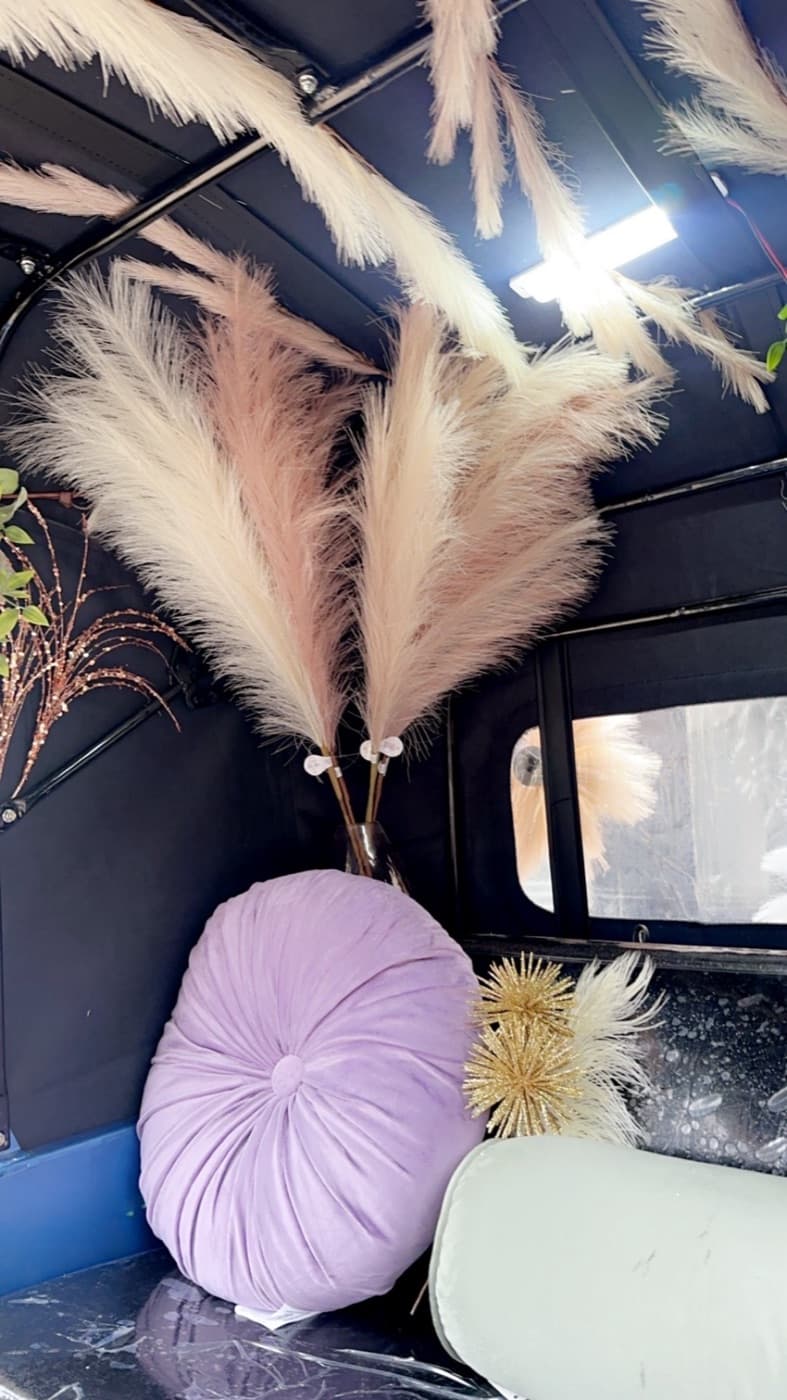
Sangeet and mehndi questions
What are good sangeet ideas that are not just more performances?
Cap the performances at about 6 and spend the rest of the night on pacing: live music between sets, a short game, a dholki circle in the first hour, and a food or chai cart late. A vehicle or staged entrance for the couple works well at a sangeet because the room is already seated and facing one direction.
What should a mehndi have that most people forget?
Extra henna artists for the guests, not just the bride, and somewhere comfortable for her to sit for 3 hours with wet hands. After that, good daylight and a photo spot people can reach without standing in line. Anything that needs guests to hold something is the wrong idea for a mehndi.
Can a rickshaw be used at a mehndi held at a house?
Sometimes. It is delivered by trailer and needs somewhere to unload and a firm, level route from there to where it will sit. It cannot be driven on the street, so a house with a driveway or a wide gate works and a narrow city lot usually does not. Send us photos of the approach and we will tell you honestly.
How much does a rickshaw cost for a mehndi or a sangeet?
$750 for a single entrance in a 2-hour venue window, or $1,100 to keep it parked and dressed as a photo piece for 4 hours. Decoration is $150 for classic garlands or $300 for premium florals, and nothing if your own decorator dresses it.
How far in advance should the mehndi and sangeet vendors be booked?
At least 3 to 4 weeks for anything with a single unit, and longer for a weekend in April to June or October to November, which is peak season in DFW. Henna artists and dhol players book out earliest because the same people serve every wedding in the city.
More ideas and the pages behind them
If the rickshaw is the one you want
Pick the package, the venue and the window and the site prices it instantly, delivery included. Entrances start at $750.
Check your date